

Bai Jee Ashram
15.1 kW solar. Turning rooftop space into long-term energy savings.
- Religious institution
- Rooftop solar
- Khanna, Punjab
- RCC roof
- 4.9×
- Generation vs consumption
- 36 months
- Simple payback
- 1,812 units
- Avg. monthly generation
- 15.1 kW
- Installed capacity
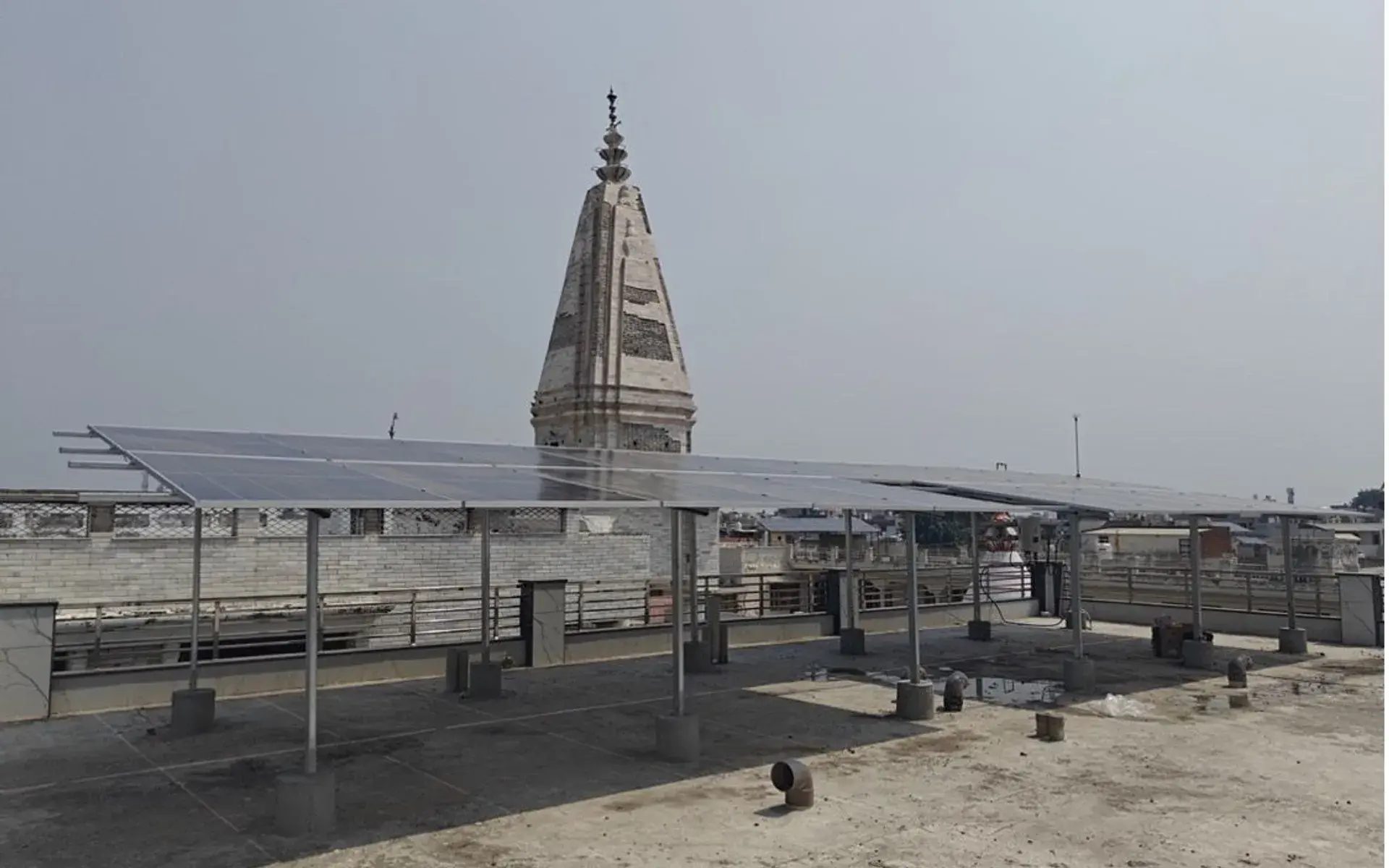
A religious institution in Khanna, Punjab.
Bai Jee Ashram is a religious institution based in Khanna, Punjab. With an RCC rooftop and a recurring electricity requirement, the Ashram had an opportunity to use its available rooftop space to generate clean electricity and reduce its dependence on grid power.
A recurring electricity expense, even with relatively low monthly consumption.
Before solar, Bai Jee Ashram consumed approximately 370 units of electricity every month, with an average monthly electricity bill of around ₹4,840.
The objective was simple: use the available rooftop to generate a meaningful portion of the facility's regular electricity requirement, and potentially more than all of it, through solar.
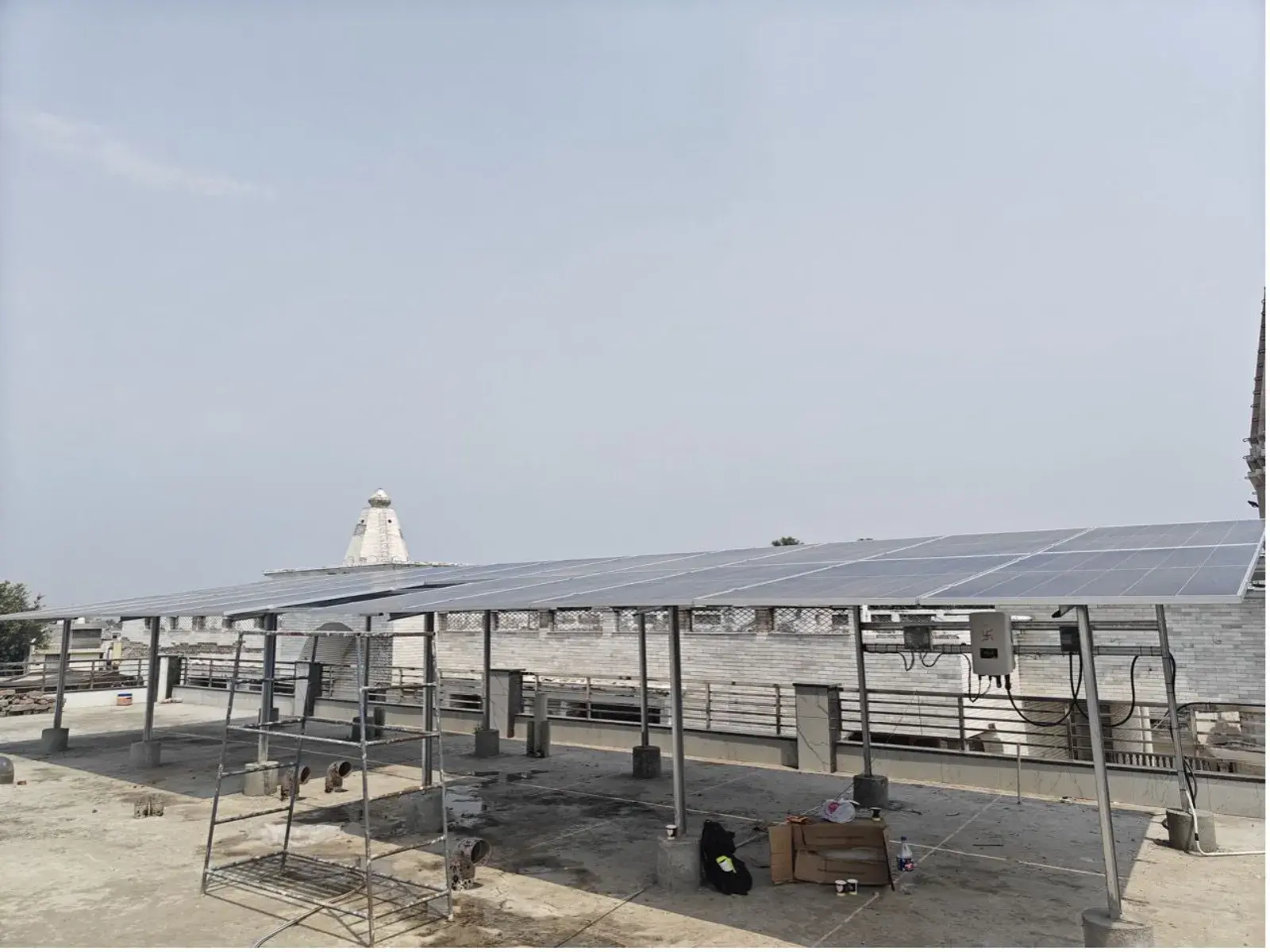
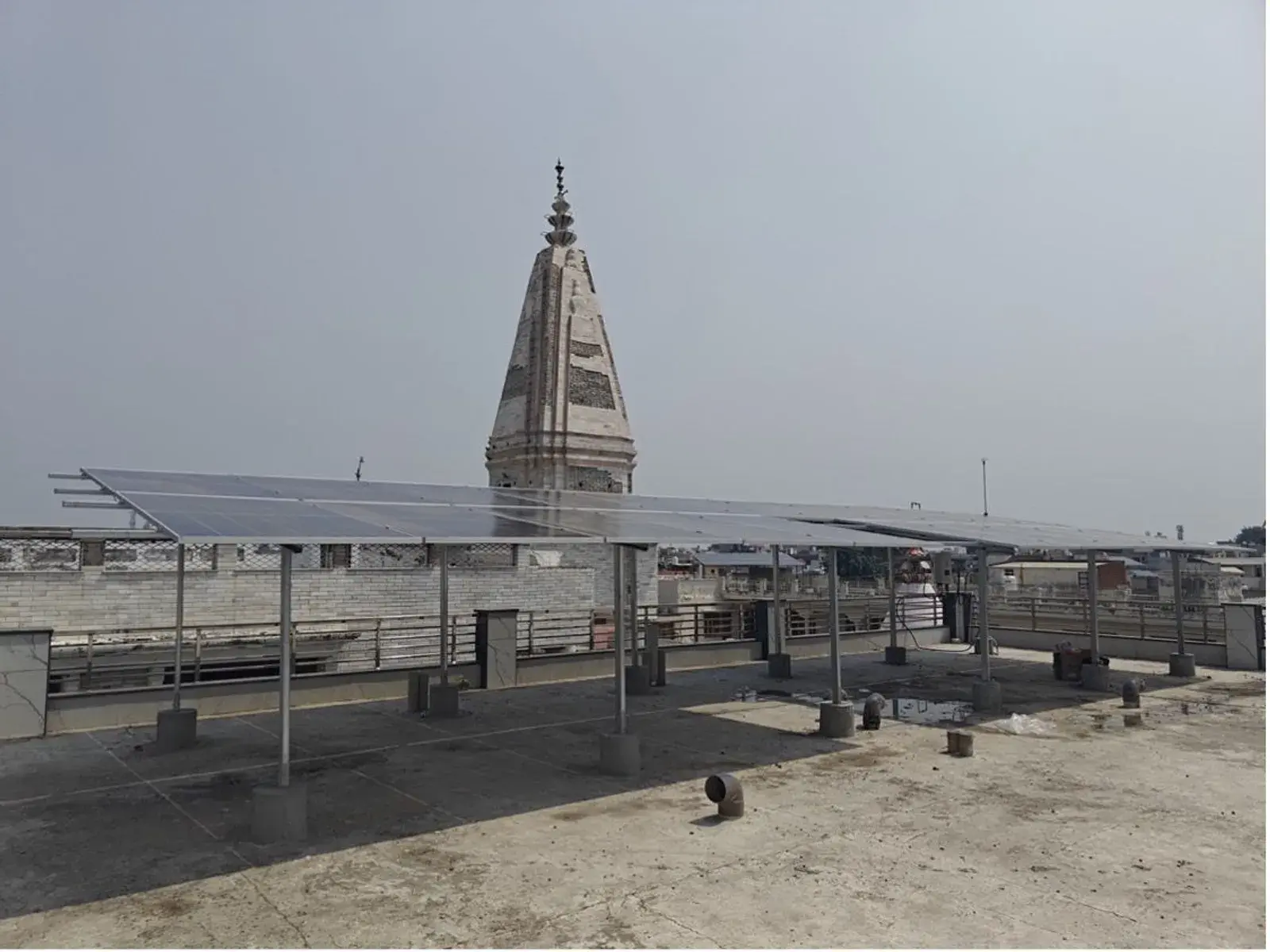
A 15.1 kW rooftop solar system installed on the Ashram's RCC roof.
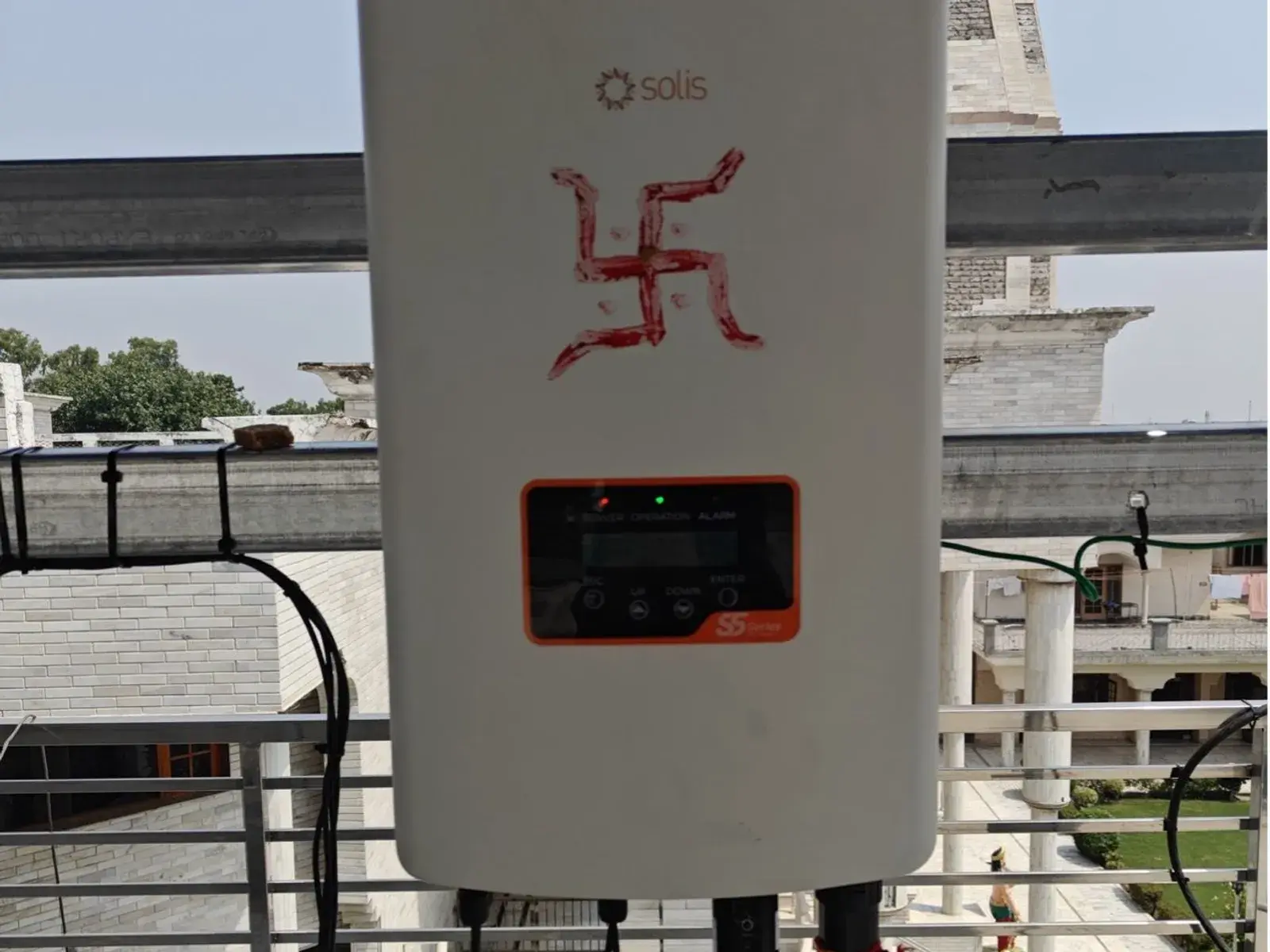
Powermore designed and installed a 15.1 kW rooftop solar system on the Ashram's RCC roof, using high-capacity TOPCon modules and a three-phase inverter.
- Modules
- Avaada TOPCon NON-DCR 720 Wp
- Inverter
- Solis 12 kW
- Location
- Khanna, Punjab
- Roof type
- RCC
- Average monthly generation
- 1,812 units
- Sanctioned load
- 24.91 kVA
- 01Generate
N-Type TOPCon modules on the RCC roof
- 02Convert
Solis 12 kW
- 03Self-consume
Site load is served first, behind the meter
- 04Save
Grid dependence reduced, with surplus to export
Solar generation that goes well beyond the Ashram's average monthly consumption.
The system generates approximately 1,812 units every month against an average pre-solar consumption of approximately 370 units, about 4.9 times the recorded monthly consumption.
This creates the potential to cover the Ashram's regular electricity requirement through solar, while additional electricity is handled through the applicable grid or export arrangement.
A solar investment designed around long-term energy savings.
The exact post-solar savings will depend on how surplus generation is treated under the applicable net-metering or export arrangement, along with the tariff and billing structure.
- Pre-solar consumption: 370 units/month
- Pre-solar bill: ₹4,840/month
- Average solar generation: 1,812 units/month
- Generation vs consumption: 4.9×
What the numbers actually show.
- 01Solar generation significantly exceeds recorded consumption.
The system's average generation of 1,812 units a month is approximately 4.9 times the Ashram's pre-solar monthly consumption of 370 units.
- 02The RCC rooftop becomes a productive energy asset.
Instead of remaining unused, the rooftop is now being used to generate electricity for the institution.
- 03The project targets a 36-month payback.
With an approximate 36-month payback period, the installation is positioned as a long-term investment in reducing the institution's dependence on grid electricity.
Before solar, and with solar.
| Metric | Before solar | With solar |
|---|---|---|
| Monthly consumption | 370 units | Covered through solar generation |
| Monthly electricity bill | ₹4,840 | Reduced through solar offset |
| Solar generation | N/A | 1,812 units/month |
| Generation vs consumption | N/A | 4.9× |
| Annual electricity expense | ₹58,080 | Reduced through solar |
| Payback | N/A | 36 months |
Solar generation is based on the supplied average monthly generation figure. Actual bill savings will depend on the applicable tariff, fixed and demand charges, and the treatment of surplus generation under the site's grid or net-metering arrangement.
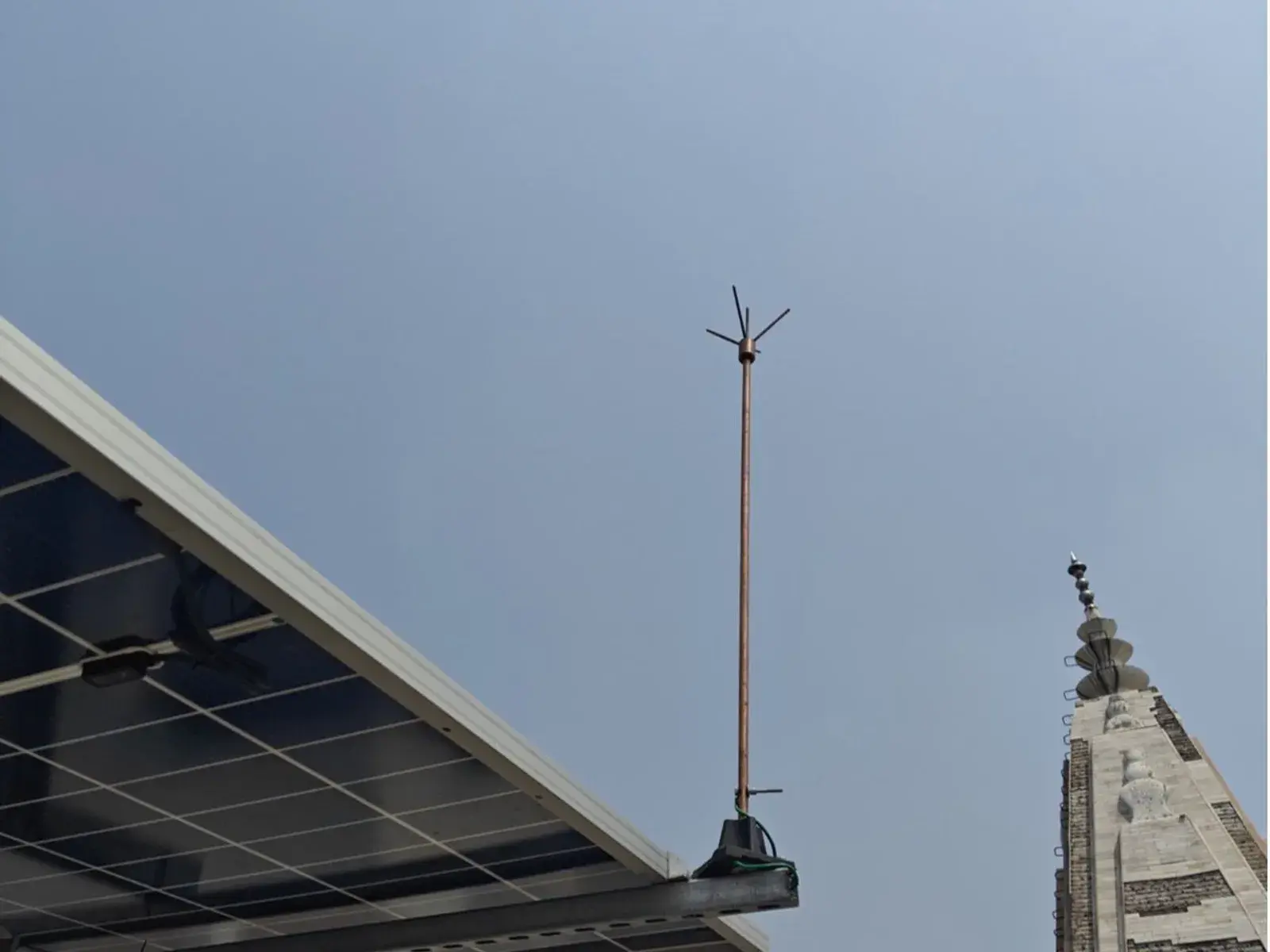
The installation in photos.
Solar that makes every rooftop work harder.
Whether it's a manufacturing facility, a commercial building or an institution, a rooftop can become more than just a structure. It can become a source of reliable, long-term energy generation.