

BGM Enterprise
67.7 kW solar. 8,124 units generated every month.
- Commercial
- Rooftop solar
- Jaito, Bhatinda
- Rice shelling
- 67.7 kW
- Installed capacity
- 8,124 units
- Avg. monthly generation
- ₹1.07L
- Est. monthly savings
- 27 months
- Simple payback
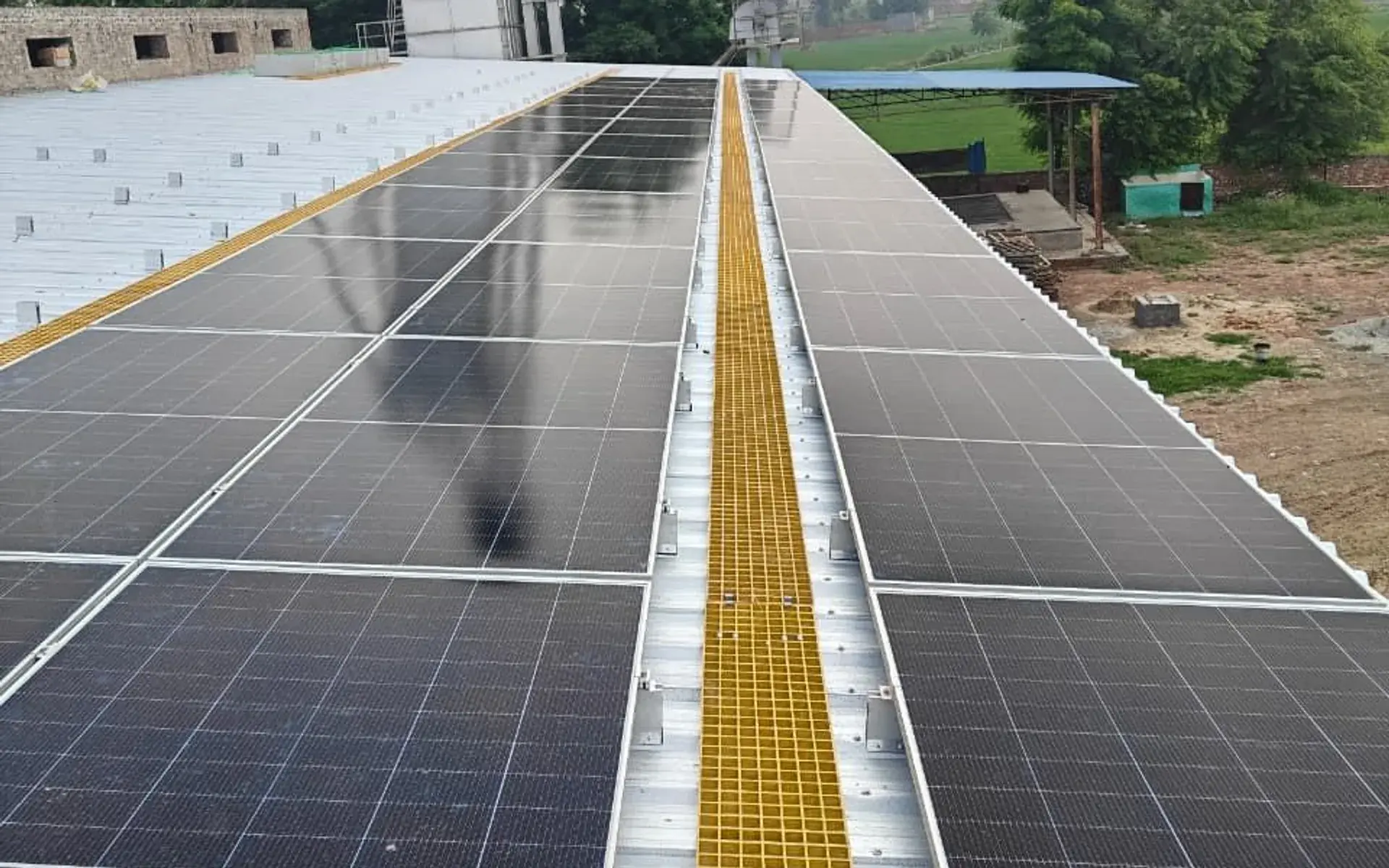
A rice shelling business based in Jaito, Bhatinda.
BGM Enterprise operates a commercial rice shelling facility in Jaito, Bhatinda, Punjab. With a large tin-shed rooftop and substantial electricity consumption driven by its operations, the facility presented an opportunity to generate a significant portion of its power requirement through rooftop solar.
A monthly electricity bill of more than ₹1.64 lakh.
Before solar, BGM Enterprise consumed approximately 12,432 units of electricity every month, resulting in an average monthly electricity bill of around ₹1,64,046.
For a rice shelling facility with significant and recurring power requirements, electricity represented a substantial operating expense. The tin-shed rooftop offered an opportunity to generate power on-site and reduce the facility's dependence on grid electricity.
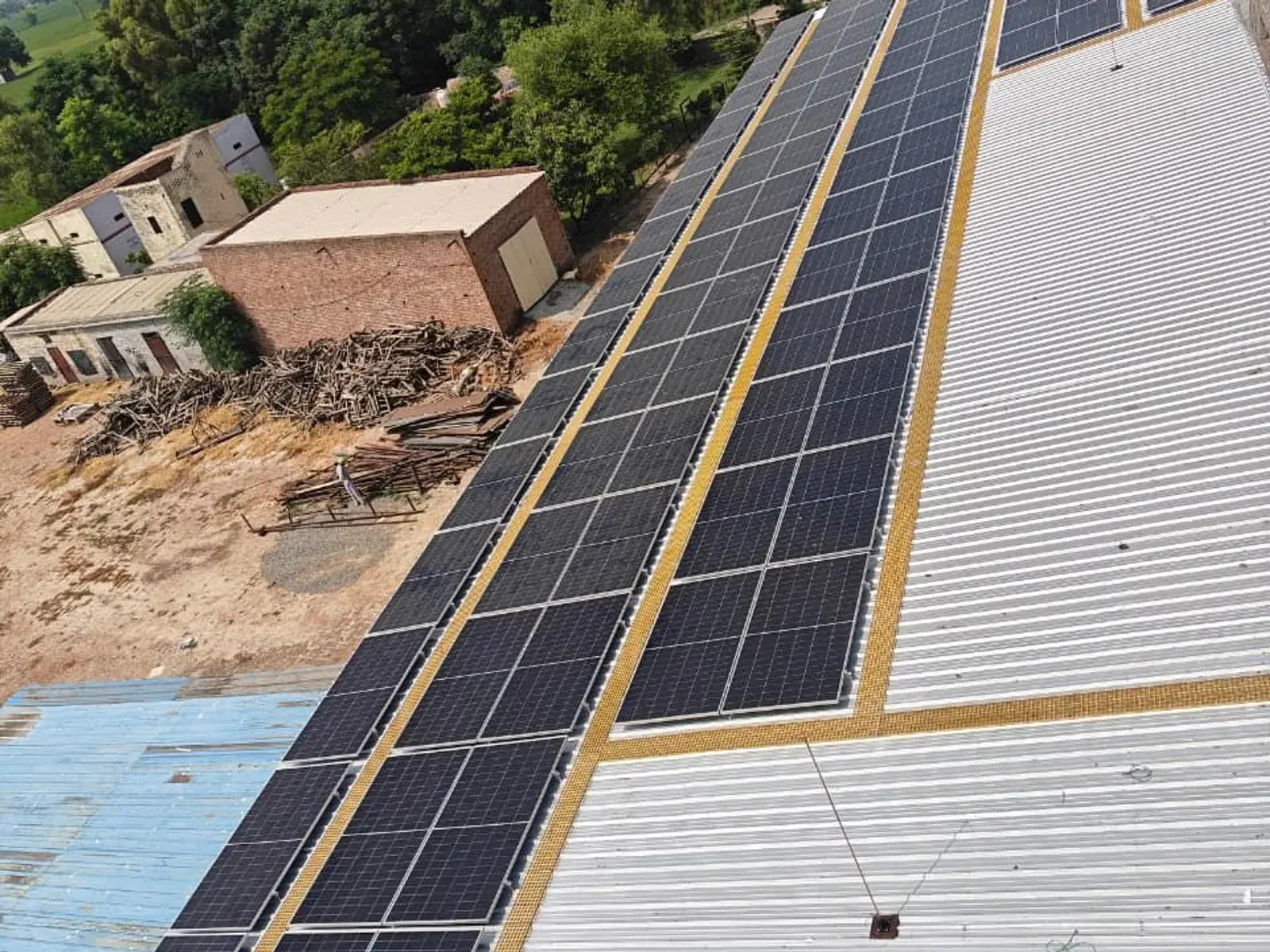
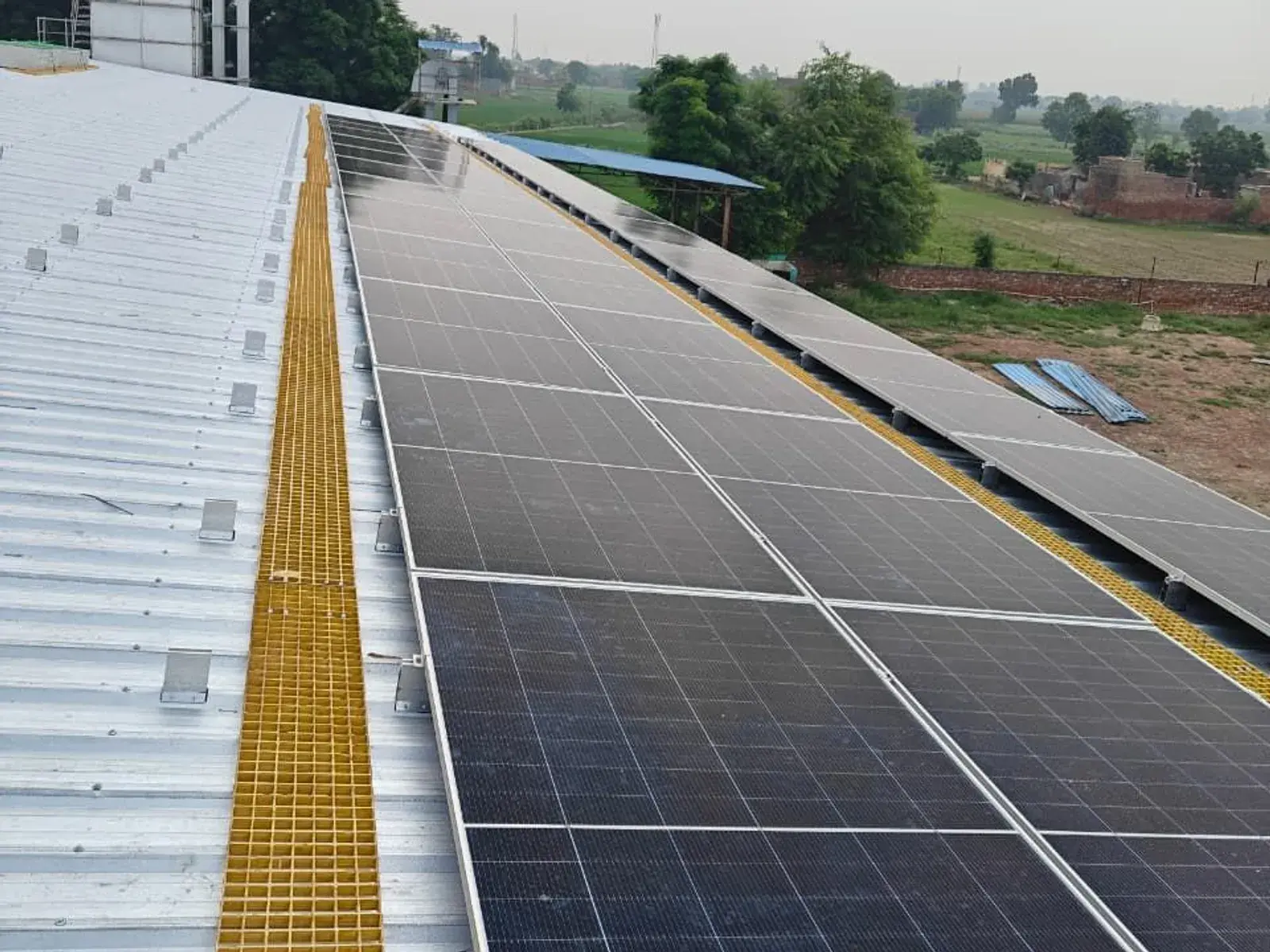
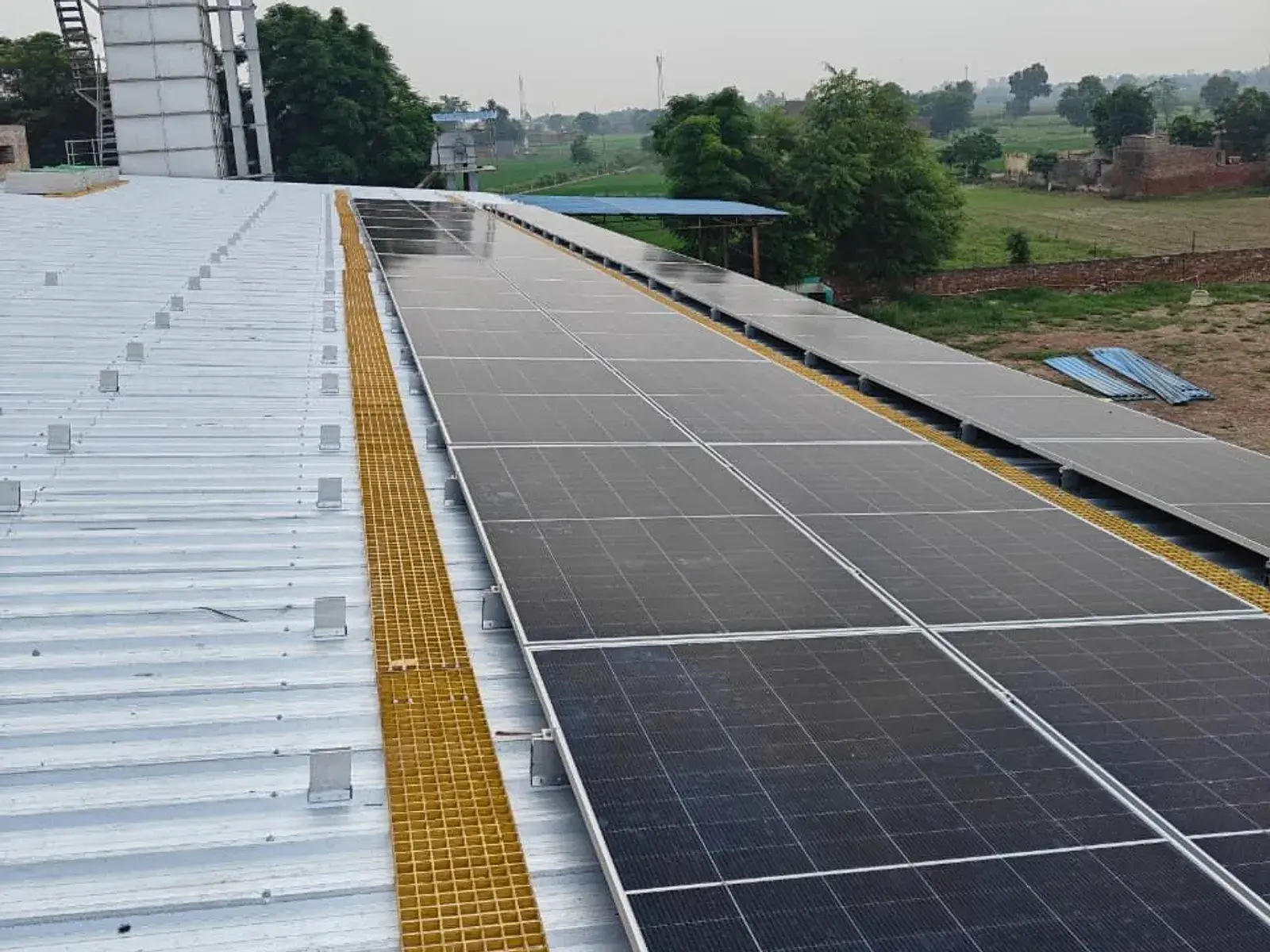
A 67.7 kW rooftop solar system installed on the tin shed.
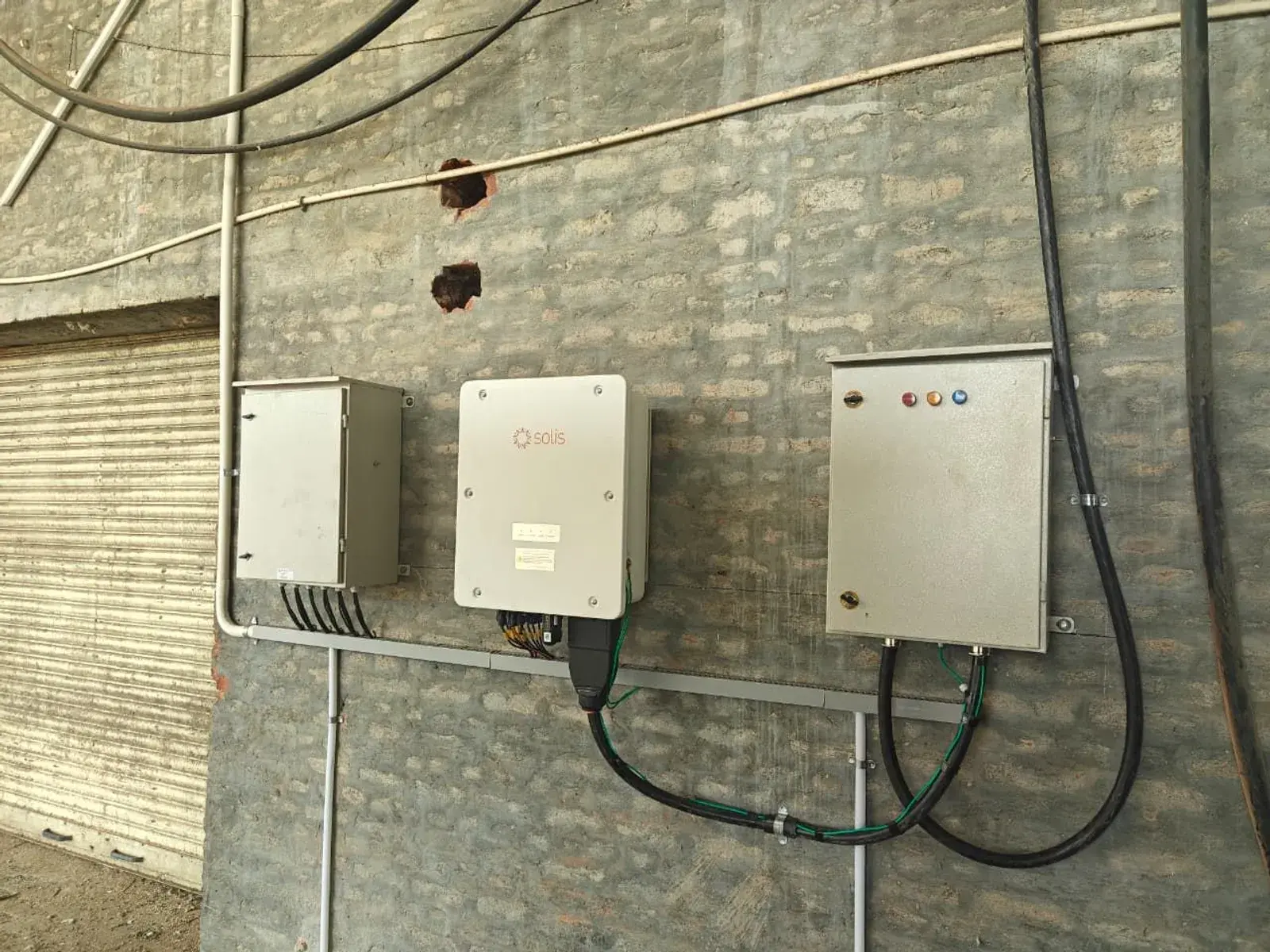
Powermore designed and installed a 67.7 kW rooftop solar system at BGM Enterprise, using Avaada TOPCon modules paired with a three-phase Solis PV solar inverter.
- Modules
- Avaada TOPCon NON-DCR 720 Wp
- Inverter
- Solis 60 kW Three-Phase PV Solar Inverter
- Location
- Jaito, Bhatinda, Punjab
- Roof type
- Tin shed
- Average monthly generation
- 8,124 units
- Sanctioned load
- 140 kVA
- 01Generate
N-Type TOPCon modules on the tin shed roof
- 02Convert
Solis 60 kW Three-Phase PV Solar Inverter
- 03Self-consume
Site load is served first, behind the meter
- 04Save
₹1.07L estimated saving every month
From ₹1.64 lakh a month to an estimated ₹56,800.
The system is expected to generate approximately 8,124 units every month against pre-solar consumption of 12,432 units, leaving about 4,308 units a month to come from the grid. At the pre-solar effective rate of approximately ₹13.19/unit, the estimated electricity cost after solar comes down to about ₹56,800 a month.
*Estimated post-solar cost is average monthly consumption minus average solar generation, valued at the pre-solar effective rate. Actual bills may vary due to fixed charges, demand charges, taxes, tariff structure, generation timing and the applicable grid or net-metering arrangement.
The numbers behind the installation.
The project has an estimated 27-month payback period, making the rooftop solar system a significant long-term investment in controlling electricity costs.
- Pre-solar monthly bill: ₹1,64,046
- Pre-solar consumption: 12,432 units/month
- Effective electricity rate: ₹13.19/unit
- Average monthly solar generation: 8,124 units/month
- Estimated remaining grid consumption: 4,308 units/month
- Estimated post-solar electricity cost: ₹56,800/month
- Estimated monthly savings: ₹1.07 lakh
- Estimated annual savings: ₹12.93 lakh
What the numbers actually show.
- 01A significant portion of electricity consumption can be offset.
With average monthly generation of approximately 8,124 units, the solar system can offset an estimated 65% of the facility's pre-solar monthly consumption.
- 02The electricity bill can come down significantly.
Based on the estimated energy offset, the monthly electricity cost moves from approximately ₹1.64 lakh before solar to about ₹56,800 after solar.
- 03The savings add up.
At an estimated saving of approximately ₹1.07 lakh every month, the project represents approximately ₹12.93 lakh in annual electricity cost savings.
Before solar, and with solar.
| Metric | Before solar | After solar* |
|---|---|---|
| Monthly electricity consumption | 12,432 units | 4,308 units from grid |
| Monthly electricity bill | ₹1,64,046 | ₹56,800 |
| Effective electricity rate | ₹13.19/unit | ₹13.19/unit |
| Solar generation | N/A | 8,124 units/month |
| Estimated energy offset | N/A | 65.3% |
| Estimated monthly savings | N/A | ₹1.07L |
| Estimated annual savings | N/A | ₹12.93L |
| Payback | N/A | 27 months |
*Estimated post-solar electricity cost is based on average monthly consumption minus average monthly solar generation, valued at the pre-solar effective electricity rate. Actual electricity bills may vary due to fixed charges, demand charges, taxes, tariff structure, generation timing and applicable grid or net-metering arrangements.
The installation in photos.
More control over the cost of doing business.
For an energy-intensive business like rice shelling, electricity isn't just another utility expense; it directly contributes to the cost of operations. BGM Enterprise's rooftop solar system is designed to offset a significant portion of that recurring expense while turning available roof space into a long-term source of power.