
In a feature on the rise of zero-CapEx solar, Mint examines why factory owners and CFOs are increasingly choosing PPA over outright ownership, and what that shift means for India's 500 GW target.
For decades, the conventional wisdom in Indian commercial solar was simple: if you have the roof and the capital, you buy the plant. The 40% accelerated depreciation and a 4-to-5-year payback made captive solar look like a no-brainer.
That conventional wisdom is now under serious pressure. A growing share of new C&I installations across India are landing as long-tenure Power Purchase Agreements — third-party-owned plants where the customer pays per unit consumed, with zero upfront capital and no maintenance liability.
The shift is being driven by three forces. First, listed companies and MNCs with India operations face mounting pressure to keep balance sheets clean for ESG reporting and credit ratings. Second, CFOs increasingly value cost certainty — a 20-year tariff lock — over depreciation arbitrage. Third, EPC players like Powermore are now structuring PPAs that aggressively beat the unit economics of self-owned plants once O&M, insurance, and module degradation costs are properly amortized.
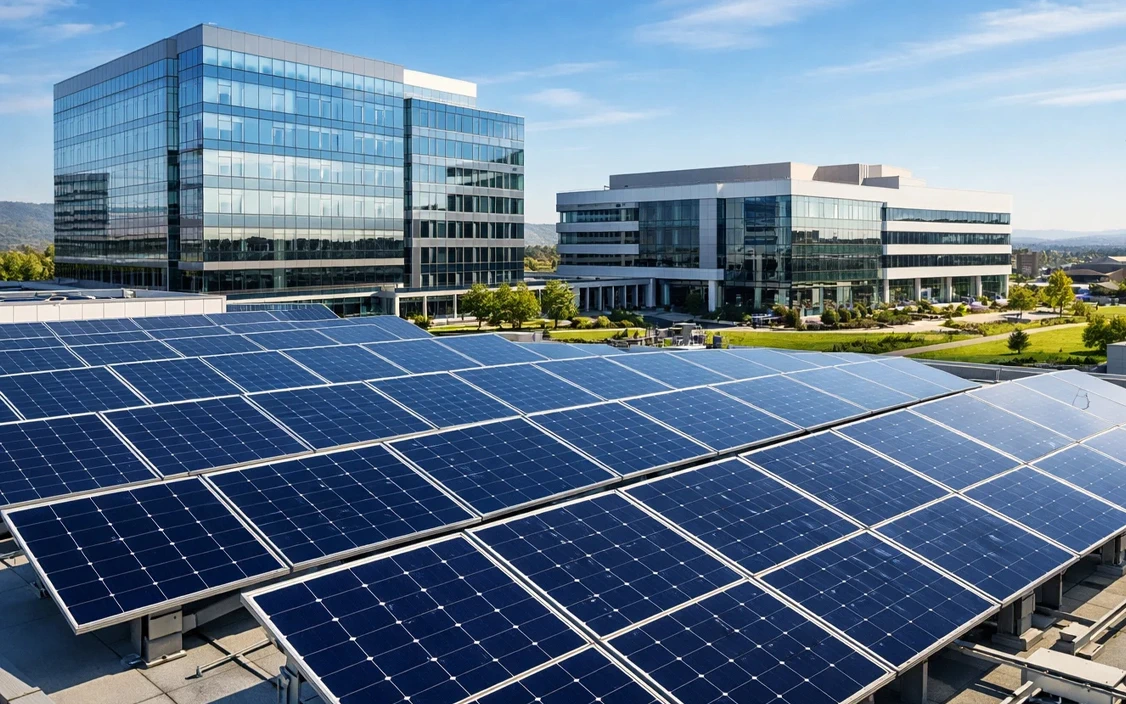
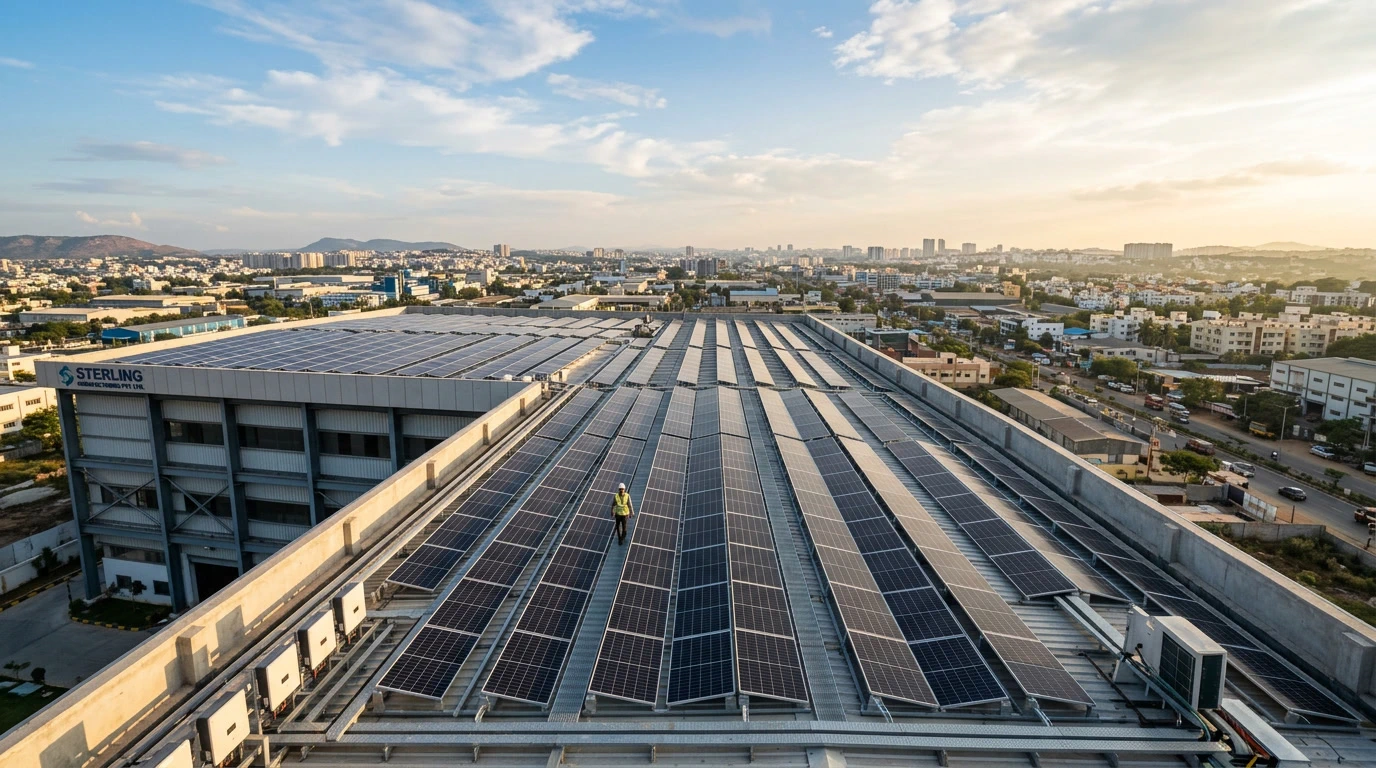
In a recent interview, Powermore noted that more than 60% of their pipeline for FY26 is now PPA-structured, up from less than 25% three years ago. Their portfolio includes auto plants in Pune, textile mills in Surat, IT campuses in Bengaluru, and a six-site hospital chain across North India.
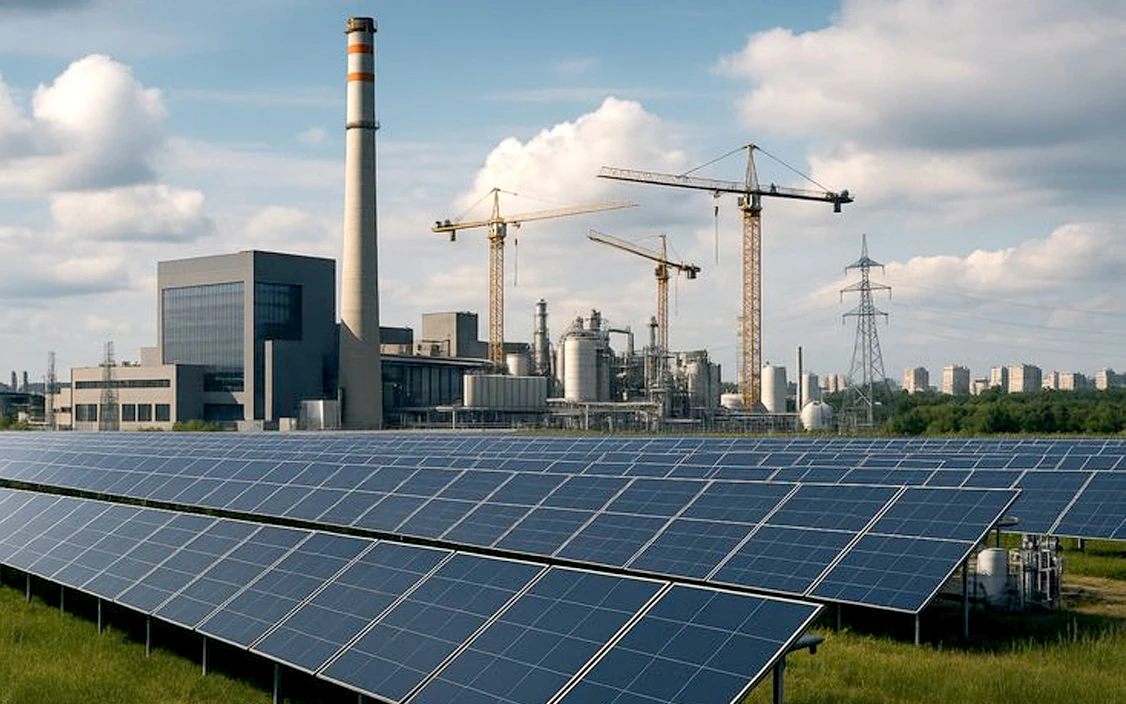
For India's 500 GW non-fossil-capacity target by 2030, the policy implications are significant. Distributed PPA-led solar reaches manufacturers and warehouses that would never have built solar plants on their own balance sheets — accelerating adoption without straining the country's renewable financing ecosystem.
“The CFO no longer asks "what is the payback period." She asks "what is my unit cost in year 15."”