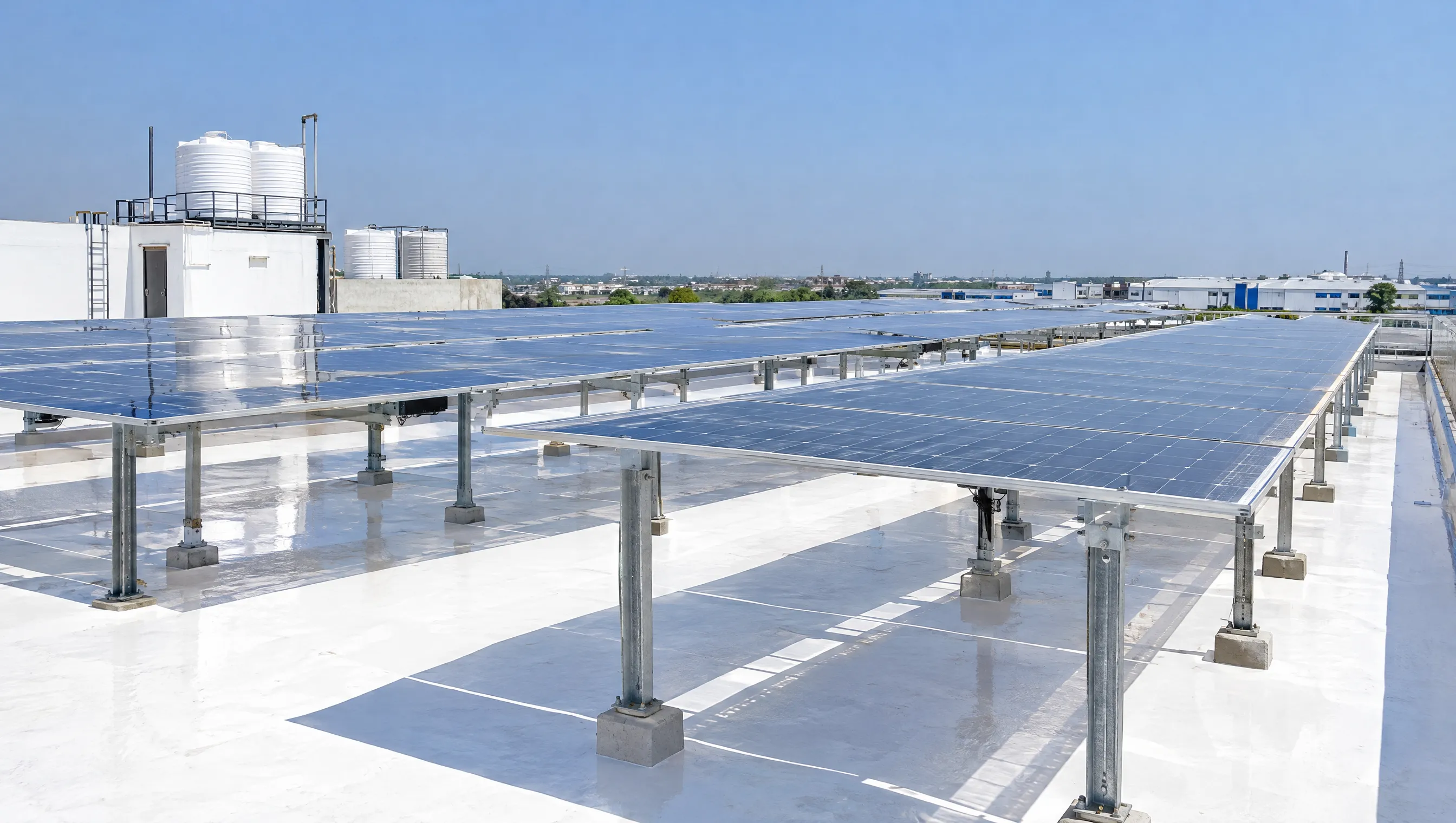


Group Captive Solar: A Smarter Way To Cut Power Costs
Group captive solar lets multiple businesses jointly own a solar plant and consume the power through open access — ownership economics without building your own plant. Here's how the 26/51 rule works and where it fits.
For most commercial and industrial businesses, solar adoption usually means one of two things: buying a rooftop system outright, or signing a long-term power purchase agreement.
But there is a third option that has been gaining traction across India, especially among businesses that want ownership benefits without building and maintaining their own solar plant.
It's called the group captive solar model.
This model allows multiple businesses to jointly own a solar power plant and consume the electricity it generates, all while unlocking significant savings on their power bills.
Here's how it works, who it's best suited for, and why it has become a preferred route for many mid-sized and large energy consumers.
What Is The Group Captive Solar Model?
The group captive model is a regulatory framework that allows a group of consumers to collectively own a solar (or renewable) power plant, provided they meet specific ownership and consumption criteria set by electricity regulations.
To qualify:
- Each business holds at least 26% equity in the company that owns the plant
- Each business consumes at least 51% of the power tied to its equity share
- Power reaches each site through open access, so no on-site rooftop or land is needed
Which Solar Model Fits Your Business?
Capex, Opex PPA, or Open Access — get a site-specific recommendation with system size, savings, and payback in 24 hours.
How Does The Group Captive Model Work?
Step 1: Consumer Grouping
Businesses with similar energy requirements and consumption profiles come together to form a captive group.
Step 2: Equity Participation
Each participant invests in equity shares of the special purpose vehicle developing the solar plant, meeting the minimum 26% ownership requirement.
Step 3: Plant Development
An experienced solar EPC partner designs, develops, and commissions the solar plant based on the group's combined energy needs.
Step 4: Open Access Approval
Necessary regulatory and open access approvals are obtained to enable power transmission from the solar plant to each participant's facility.
Step 5: Power Allocation
Electricity generated is allocated to each participant in line with their equity share and consumption entitlement.
Step 6: Operations & Billing
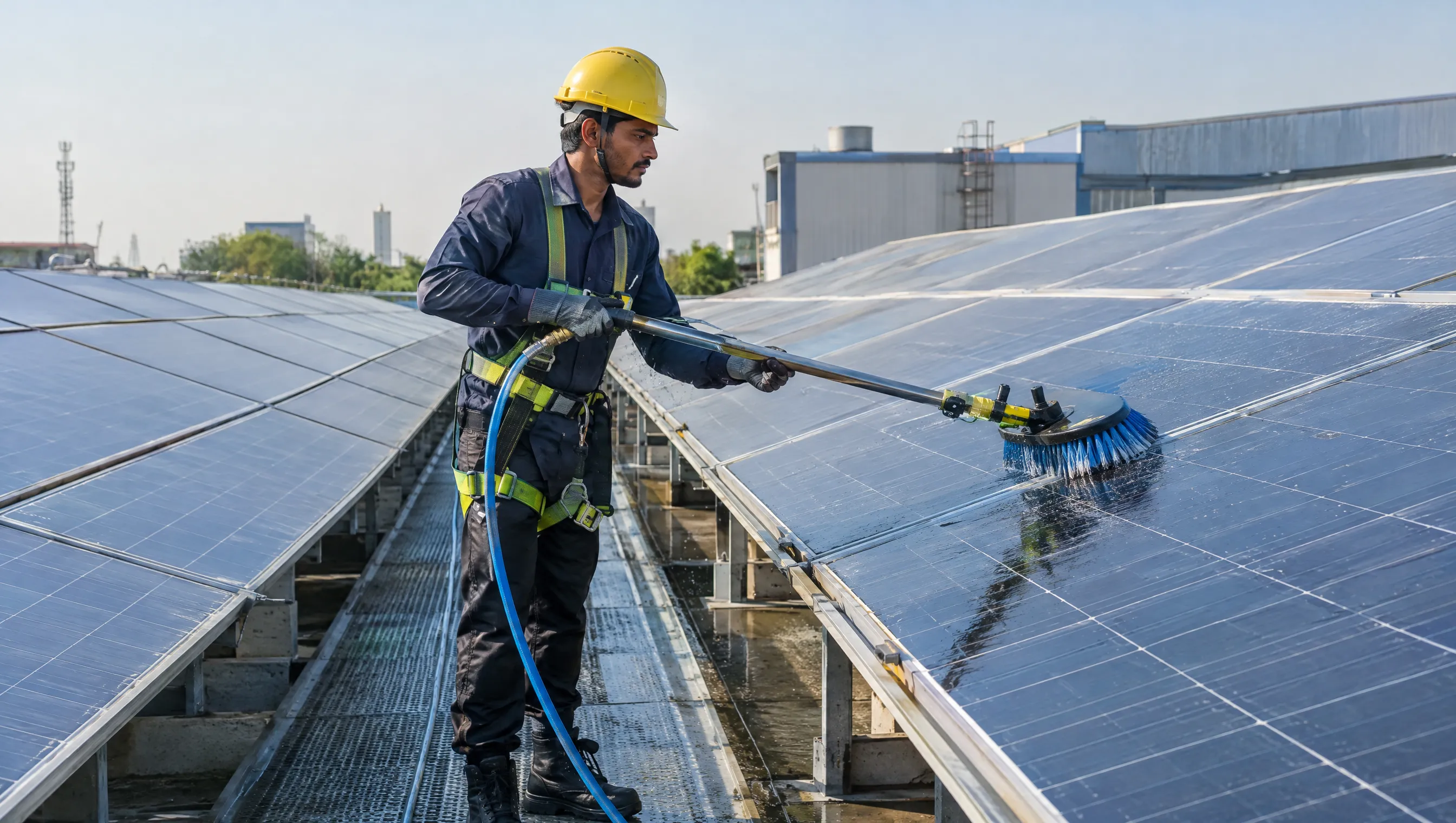
The plant is operated and maintained professionally, with generation, billing, and compliance managed on an ongoing basis.

Solar plant operations control room in India with dashboards showing generation and transmission data across multiple offtake sites.
Why Businesses Are Switching To This Model
Lower power costs. Captive consumers often skip certain surcharges applied to regular open access users, bringing costs meaningfully below grid tariffs.
Price certainty for years. Tariffs are typically locked in for 15 to 25 years, unlike grid rates that shift with regulatory changes.
No rooftop, no problem. Ideal for leased offices, urban factories, or sites with limited or shaded roof space.
Stronger ESG story. Helps meet Renewable Purchase Obligation (RPO) requirements and gives investors and customers real proof of decarbonization.
Less dependency on the grid. Reduces exposure to outages and voltage issues common with DISCOM supply.
Who Should Consider It?
This model works especially well for:
- Manufacturing units and industrial parks with high, steady power use
- Businesses on leased premises with no space for rooftop solar
- Companies with multiple locations wanting to centralize power procurement
- Organizations under pressure to show measurable ESG progress

Aerial view of an Indian industrial park at golden hour with several factories and warehouses drawing renewable power from a shared solar source via overhead transmission lines.
Group Captive Vs OPEX: A Quick Comparison
Ownership
Group captive comes with equity in the plant. OPEX involves no ownership at all.
Investment
Group captive requires an upfront equity contribution. OPEX requires none.
Savings
Group captive typically delivers stronger long-term savings. OPEX offers greater simplicity and ease of entry.
Questions buyers ask us.
A model where multiple businesses jointly own a solar plant and consume its power, each holding at least 26% equity.
No. Power is delivered through open access from an offsite plant.
At least 51% of the electricity tied to your equity share.
Usually, yes — mainly due to surcharge exemptions available to captive consumers.
Yes. Consuming captive renewable power can count toward RPO targets in most states.
Group captive gives you ownership. OPEX is a pure pay-per-unit arrangement with no equity involved.
We help businesses evaluate whether group captive solar fits their consumption, location, and long-term goals, and handle everything from consumer grouping to plant commissioning.
Speak to our team to explore group captive solar for your business.