
How Much Does Cross-Subsidy Surcharge Add To Per-Unit Cost?
Cross-subsidy surcharge can add ₹1 to ₹3 per unit to open access power costs. See what drives the rate, and the exemption that removes it entirely.
Cross-subsidy surcharge typically adds ₹1.00 to ₹3.00 per unit on top of the open access power tariff, wheeling charges, and transmission charges. There is no single national rate. The actual figure depends on the state, the DISCOM, the voltage category, and the consumer's classification.
For a business evaluating open access solar, this single charge is often the deciding factor in whether the arrangement actually saves money.
What Cross-Subsidy Surcharge Actually Compensates For
Industrial and commercial electricity tariffs in India are structured to cross-subsidize residential and agricultural consumers, who typically pay below the actual cost of supply. When a commercial or industrial consumer stays on regular DISCOM supply, this cross-subsidy is built into the tariff they pay.
When that same consumer switches to open access, buying power directly from a generator instead of the DISCOM, the DISCOM loses that subsidizing revenue. Cross-subsidy surcharge exists to recover a portion of this loss, and it is levied specifically on open access transactions.
Which Solar Model Fits Your Business?
Capex, Opex PPA, or Open Access — get a site-specific recommendation with system size, savings, and payback in 24 hours.
What Determines The Actual Rate
State And DISCOM
CSS is set by each State Electricity Regulatory Commission, not centrally, and rates vary significantly. Some states have historically kept CSS under ₹1.50 per unit, while others have applied rates above ₹2.00-2.75 per unit for certain consumer categories.
Voltage And Feeder Category
Extra high voltage (EHV) consumers generally face different CSS rates than high tension (HT) consumers, and express feeder connections are often charged differently from non-express feeder connections within the same state.
Annual Or Biennial Revision
CSS rates are reviewed and revised periodically through SERC tariff orders, meaning the applicable rate for a given year can change from the previous one.
Because of this variation, any CSS figure quoted without a specific state and consumer category attached should be treated as directional, not exact.
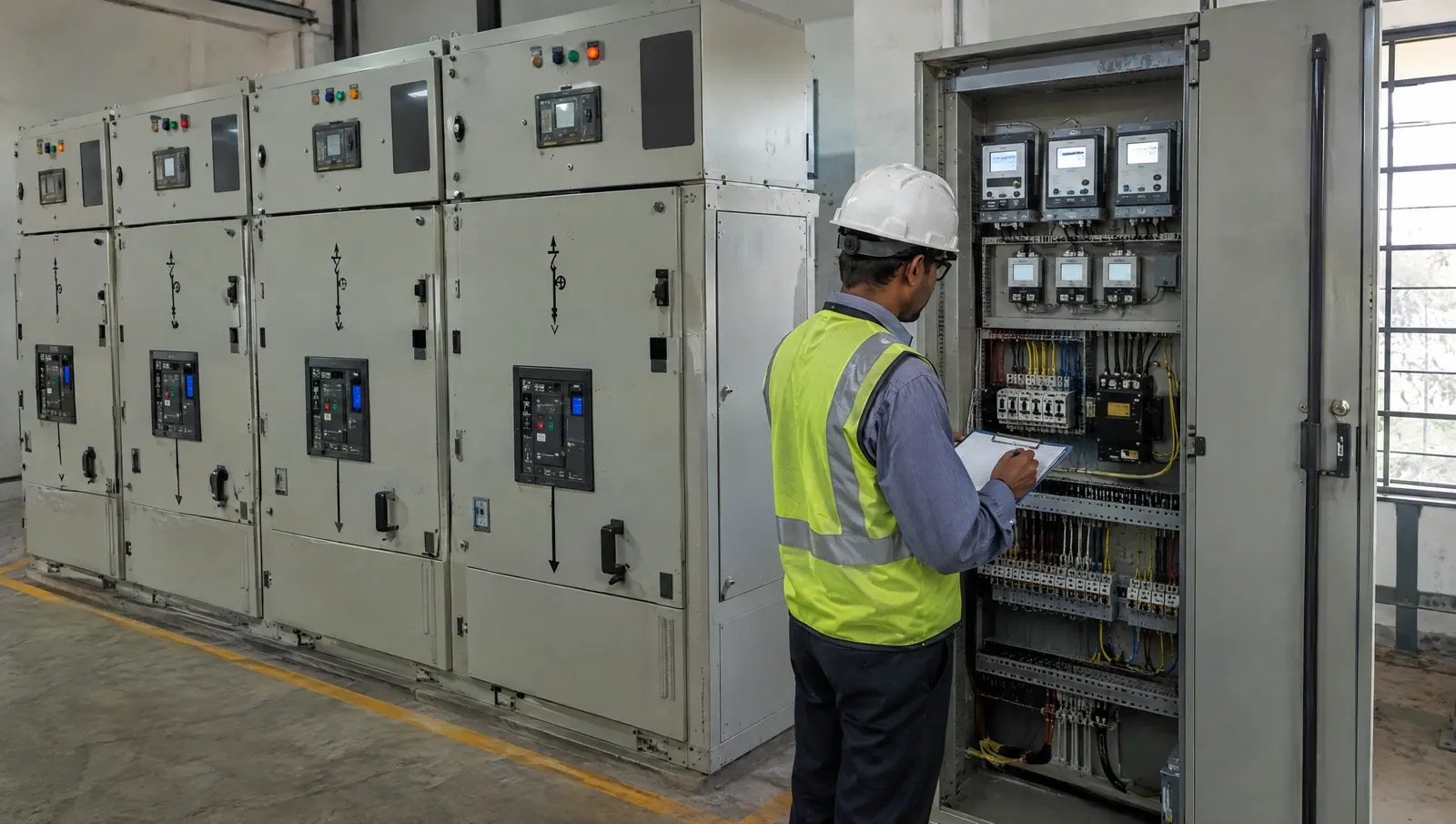
HT electrical room at an Indian factory with 11 kV breaker panels and a metering cubicle, where open access units are measured.
An Illustrative Cost Build-Up
The following is a representative example for a mid-size industrial open access consumer, showing where CSS sits in the overall cost stack.
| Component | Approx. Cost (₹/Unit) |
|---|---|
| Solar PPA / open access tariff | 3.50 |
| Wheeling charges | 0.50-0.85 |
| Transmission charges | 0.40-0.50 |
| Cross-subsidy surcharge | 1.00-2.00+ |
| Transmission and distribution losses | 0.20-0.30 |
In this build-up, cross-subsidy surcharge is frequently the single largest additional charge in the stack: larger than wheeling and transmission charges combined, in states with higher CSS rates.
The Exemption That Changes The Calculation Entirely
Captive and group captive power structures are commonly exempt from cross-subsidy surcharge altogether.
Under India's captive power rules, a consumer holding at least 26% equity in the generating company, and consuming a proportionate share of that plant's output, is classified as a captive consumer. Captive consumption is treated differently from standard open access or third-party PPA consumption, and is generally not subject to CSS.
This exemption is one of the primary reasons group captive structures are frequently positioned as more economical than standard open access, particularly in states where CSS rates are high enough to significantly erode open access savings.
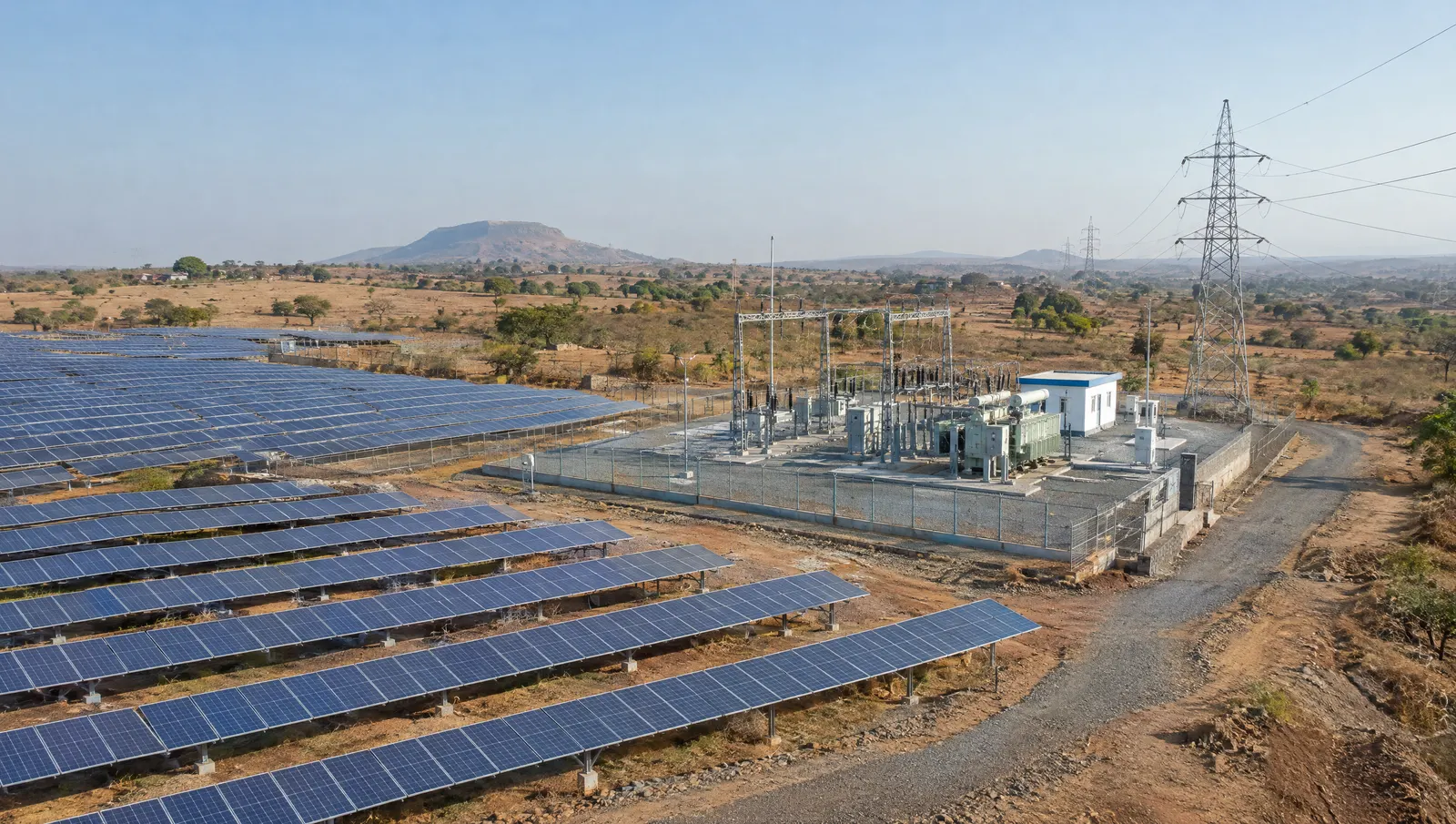
Ground-mounted solar plant in Maharashtra with a 33 kV switchyard and an overhead line carrying power toward the grid.
Why This Number Can Make Or Break The Decision
A business comparing open access solar against its current DISCOM tariff needs to evaluate total landed cost, not just the headline solar tariff.
A solar PPA priced attractively at ₹3.50 per unit can still result in a disappointing overall saving once wheeling, transmission, and a high CSS rate are added, sometimes narrowing the gap against grid tariff to a fraction of what the solar tariff alone suggested. This is why CSS needs to be checked against the specific state's current tariff order before evaluating any open access proposal, rather than assumed from a general range.
What To Verify Before Proceeding
- The current CSS rate applicable to the specific state, DISCOM, voltage category, and consumer classification
- Whether the CSS rate has been revised in the most recent SERC tariff order
- Whether a captive or group captive structure would qualify for CSS exemption based on the business's equity participation
- The full landed cost stack (tariff, wheeling, transmission, CSS, and losses) rather than the open access tariff alone
Questions buyers ask us.
It generally ranges from ₹1.00 to ₹3.00 per unit, though the exact rate depends on the state, DISCOM, voltage category, and consumer classification, and should be confirmed against the current tariff order.
It compensates the DISCOM for the cross-subsidy revenue it would have collected from an industrial or commercial consumer if that consumer had continued buying power through regular DISCOM supply instead of open access.
Yes, largely through a captive or group captive structure, where the consumer holds the required equity stake in the generating company. Captive consumption is generally exempt from cross-subsidy surcharge.
No. It is reviewed and revised periodically by the State Electricity Regulatory Commission, so the applicable rate can change from one year to the next.
No. Rates vary significantly by state, and some states have historically charged notably higher CSS than others for the same consumer category.
At PowerMore, we evaluate the full landed cost of open access arrangements, including cross-subsidy surcharge, wheeling, and transmission charges, against a business's current tariff, rather than presenting the open access tariff alone as the expected saving.
Speak to our team to calculate the real cost of open access for your facility.