Solar For The Textile Industry: Does It Work?
Textile manufacturing units run high electrical loads across spinning, weaving, and processing. See how solar can offset consumption and where it fits best.
The textile industry is one of the largest consumers of industrial electricity in India.
Spinning mills, weaving units, and processing facilities run heavy machinery for extended shifts, often around the clock.
For businesses in this sector, the question isn't whether electricity costs are significant. It's whether solar can meaningfully reduce them.
Where The Electricity Demand Comes From
Textile manufacturing units draw power across several core operations:
Spinning
Ring frames, carding machines, and drawing frames run continuously and account for a large share of a spinning unit's electricity consumption.
Weaving
Looms, warping machines, and sizing equipment operate in extended shifts, often across day and night.
Compressed Air Systems
Air compressors used for pneumatic machinery are among the highest energy-consuming components in a textile facility.
Material Handling
Motors, conveyors, and blowers used for moving raw material and finished goods run throughout production hours.
Utilities
Lighting, ventilation, and humidification systems (used to maintain fiber quality) add to the overall electrical load.
Because these operations are electricity-driven, they align well with what solar PV can offset.
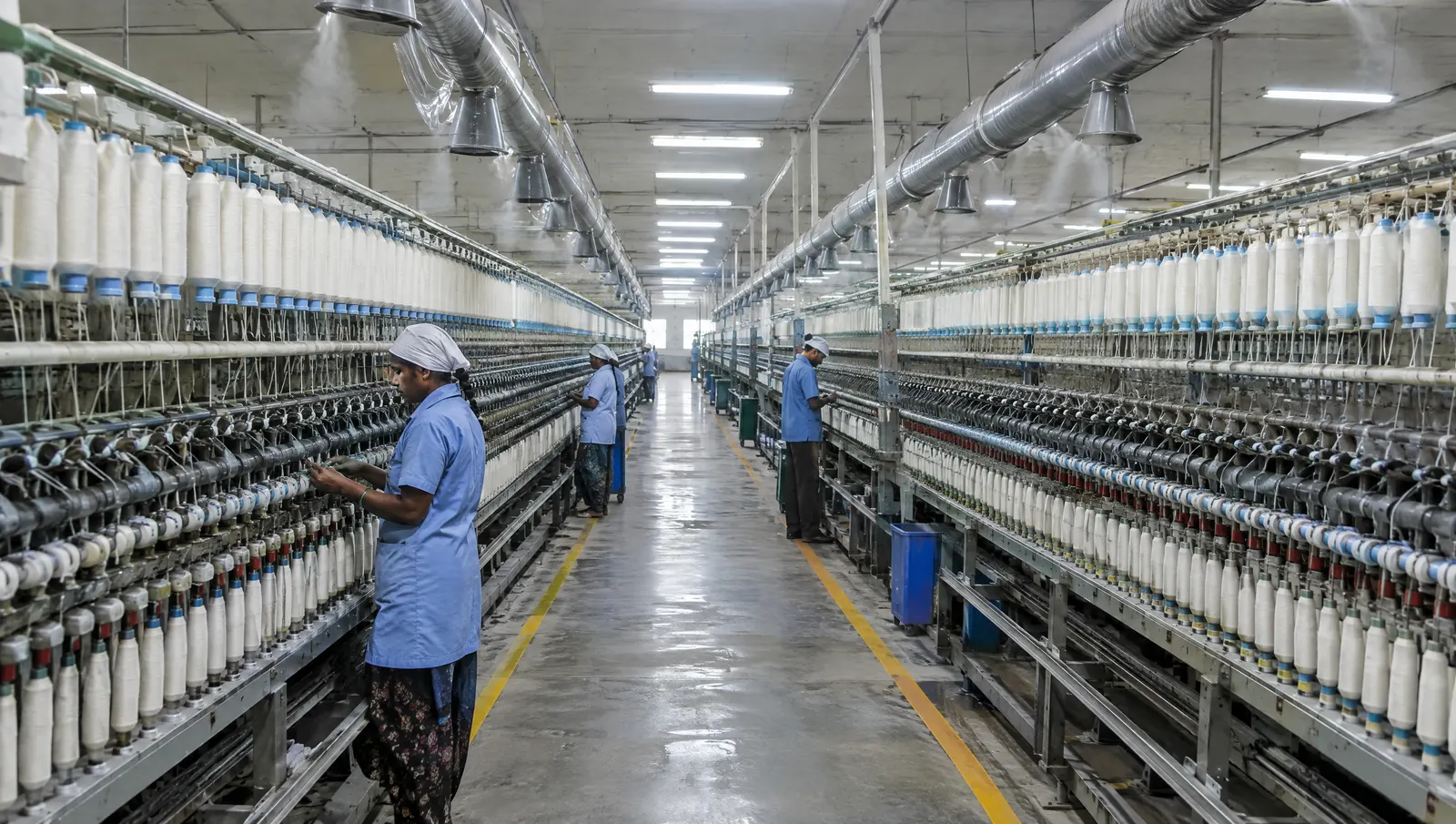
Rows of ring spinning frames inside an Indian cotton spinning mill, one of the largest continuous electrical loads in a textile unit.
Which Solar Model Fits Your Business?
Capex, Opex PPA, or Open Access — get a site-specific recommendation with system size, savings, and payback in 24 hours.
Why Textile Units Are Well-Suited For Solar
High Daytime Consumption
Most textile units operate during daylight hours, which aligns directly with solar generation windows.
Large, Consistent Load
Continuous machine operation across shifts creates a stable base load that solar can reliably offset.
Sizeable Rooftop Or Land Availability
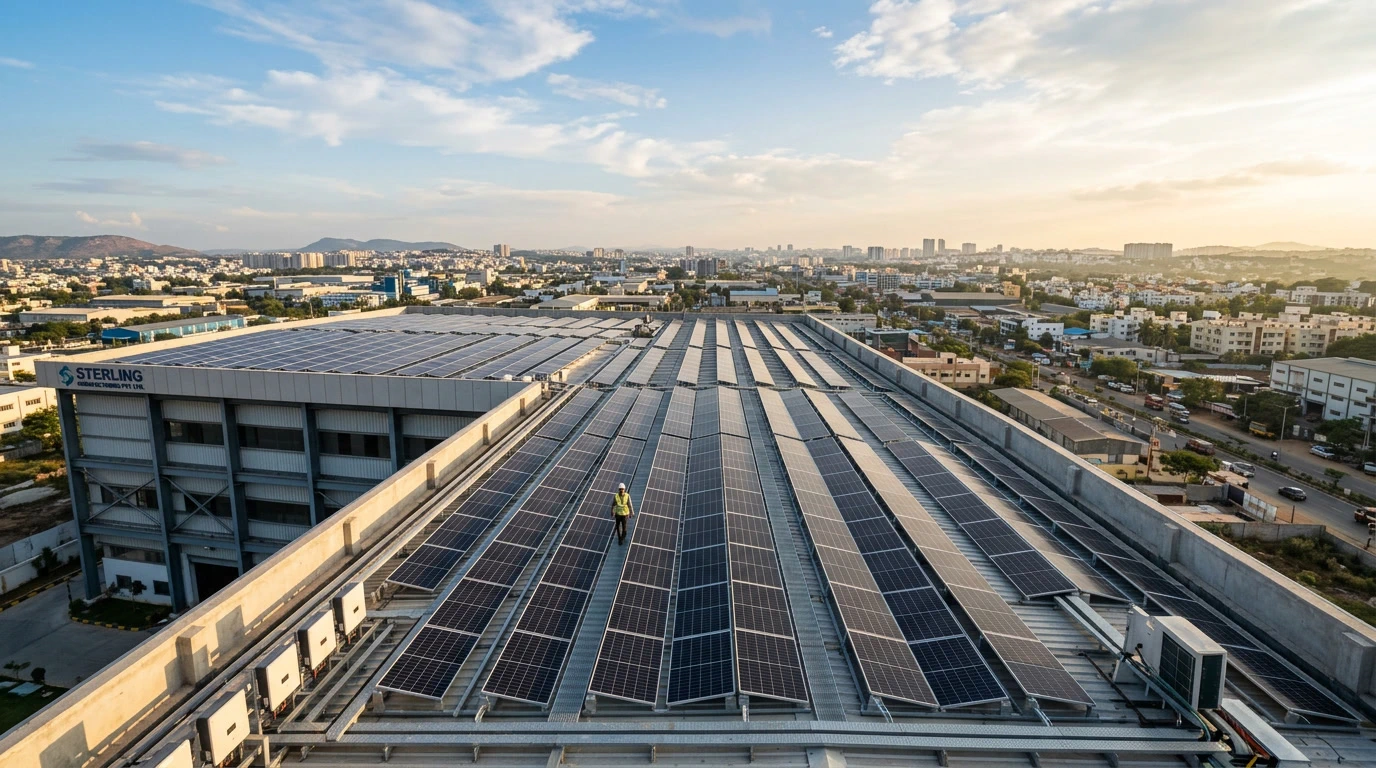
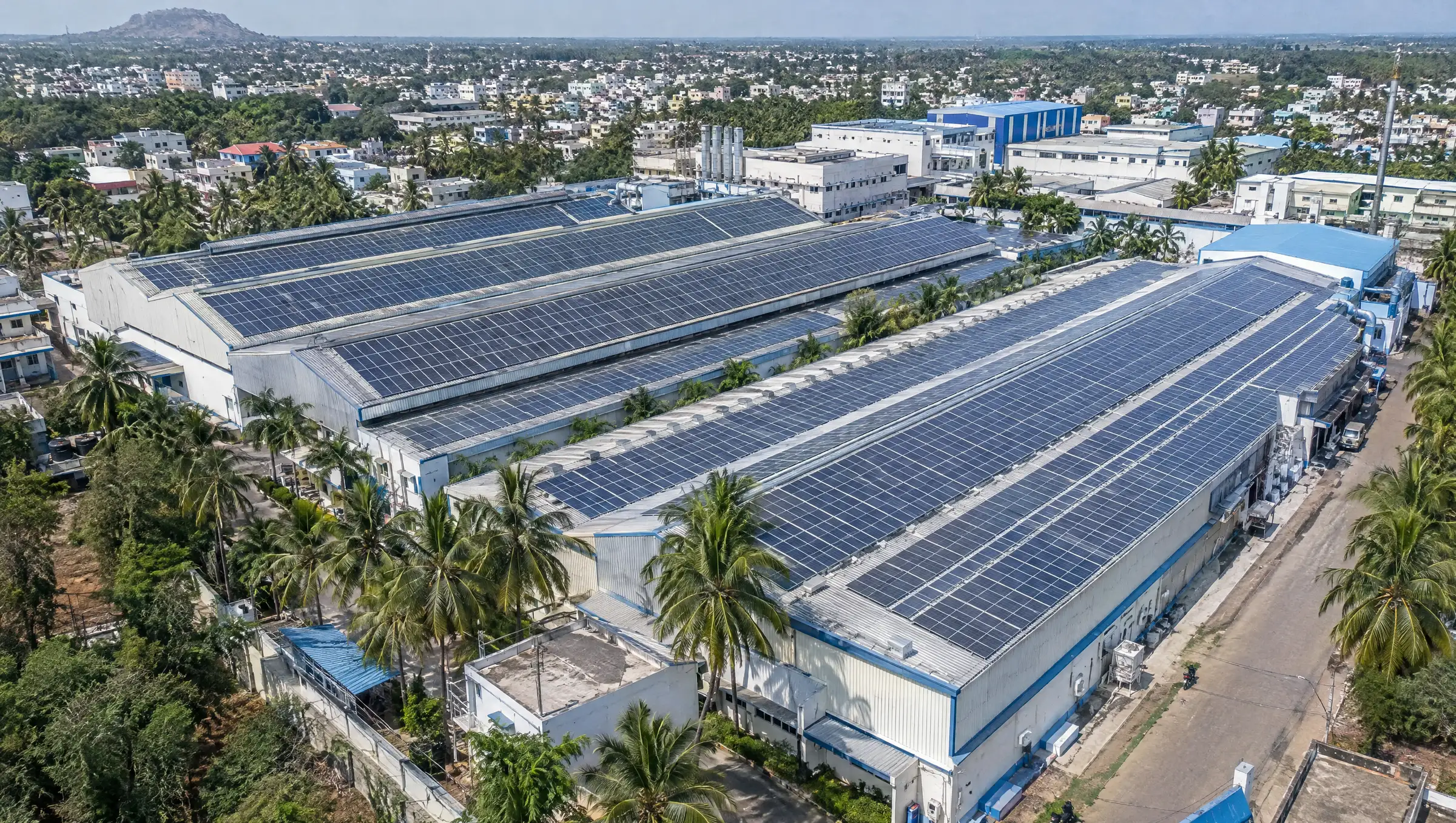
Textile mills often operate from large industrial sheds with substantial rooftop area, or have adjoining land suited for ground-mounted systems.
High Connected Load, High Savings Potential
Given the scale of consumption, even a moderate percentage of solar offset can translate into significant absolute savings.
Common Solar Configurations For Textile Units
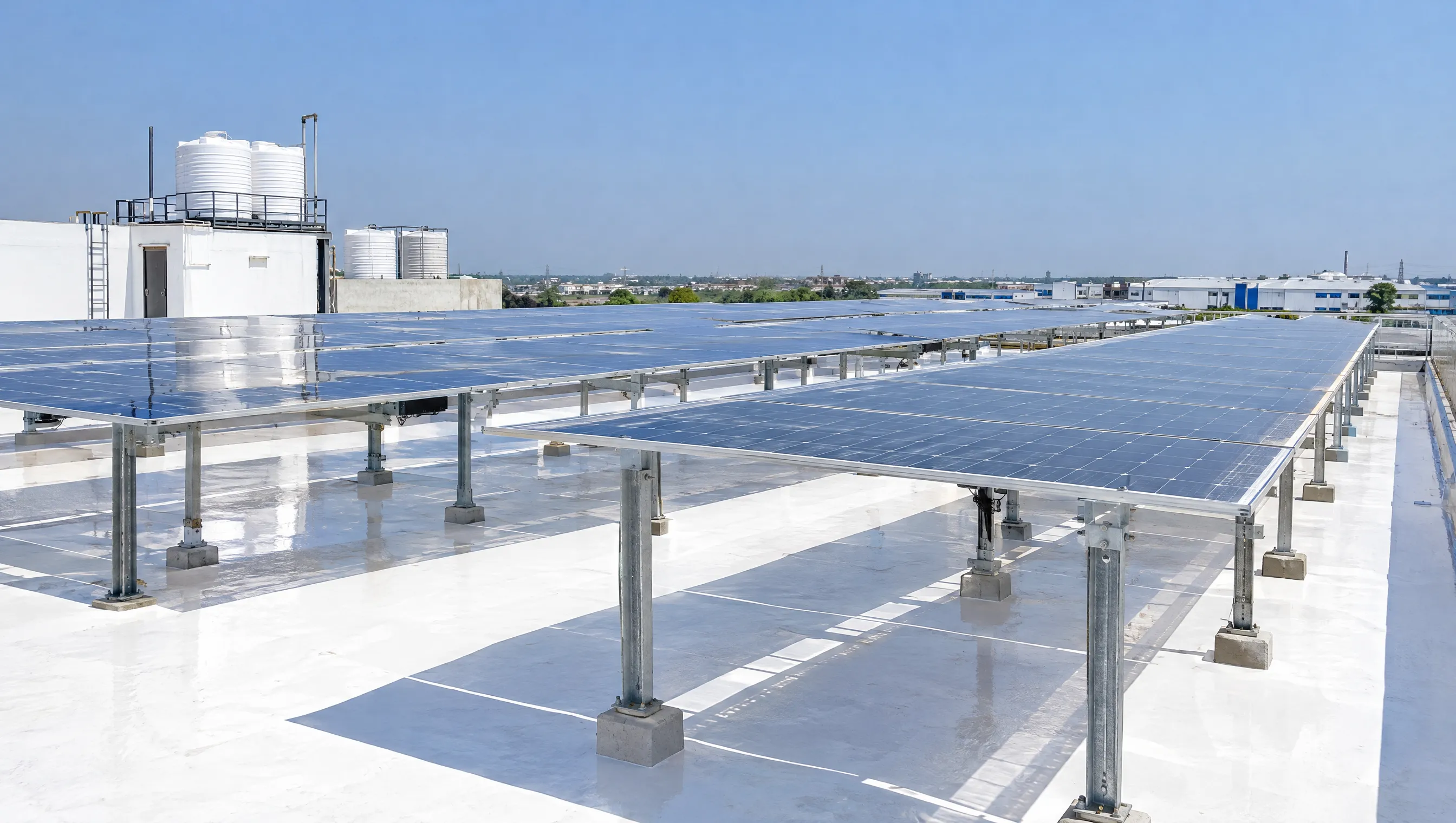
Rooftop Solar
Suited for units with adequate, unobstructed shed roofing and lower ground space availability.
Ground-Mounted Solar
An option where the facility has adjoining open land, often used to scale up capacity beyond rooftop limits.
Group Captive Solar
Useful for textile businesses with multiple units or lower individual sanctioned loads, allowing them to jointly own a larger solar plant and consume power through it.
Open Access Solar
Relevant for larger units that meet the threshold to procure solar power from an off-site plant under state open access regulations.
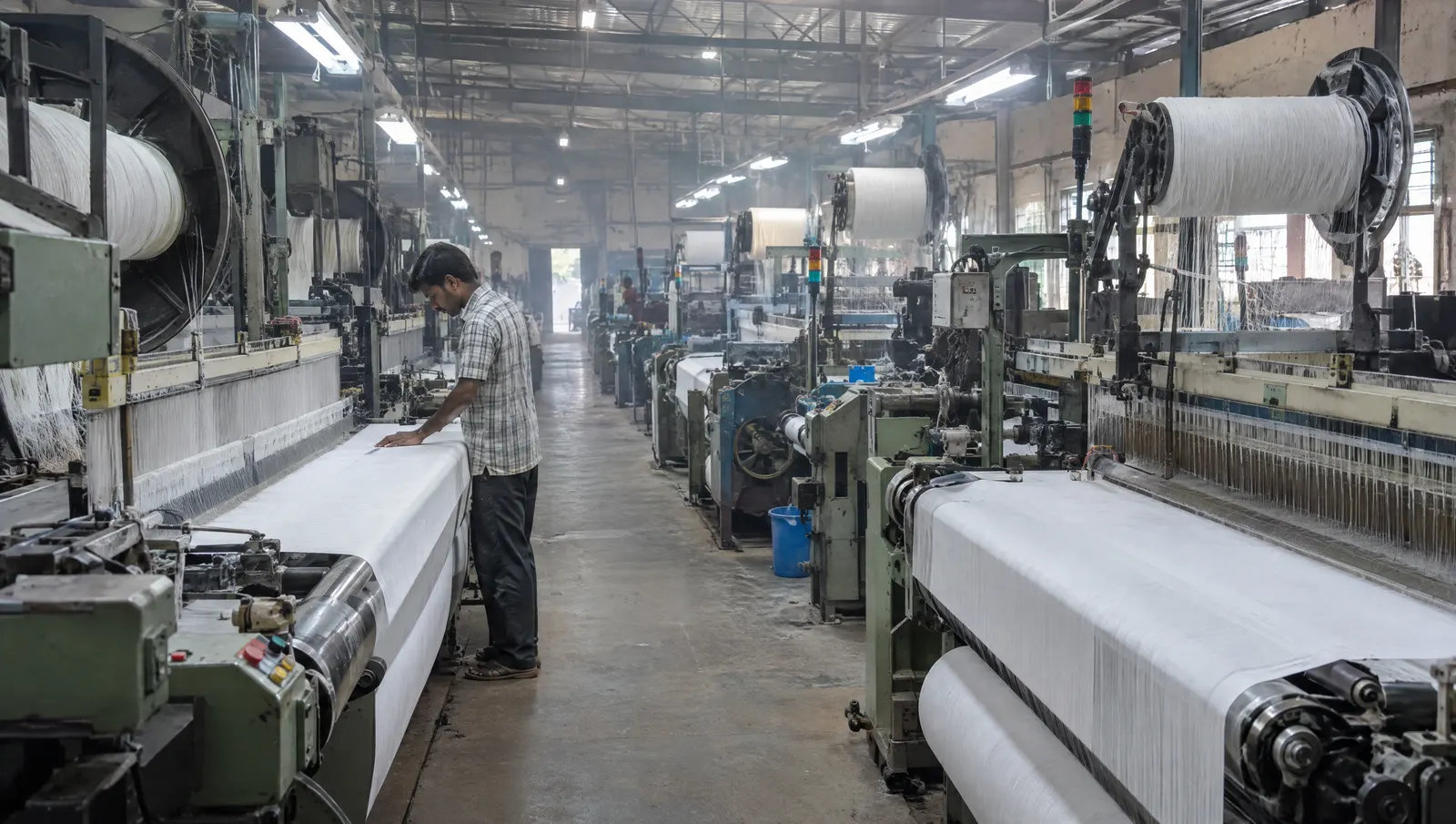
Air-jet looms weaving fabric in an Indian weaving shed that runs across day and night shifts.
What Determines The Right System Size
Solar sizing for a textile unit depends on:
- Actual electricity bills and load patterns across shifts
- Connected load and contract demand
- Available rooftop or land area
- Applicable regulatory route: net metering, gross metering, open access, or group captive
- Future expansion plans that could change load requirements
A detailed site assessment and load study ensures the system is sized against actual consumption rather than assumptions.
Financing Options For Textile Units
CAPEX Ownership
Full ownership of the solar asset, maximum long-term savings, upfront investment required.
OPEX / PPA Model
No upfront investment; electricity is purchased at a fixed tariff from a third-party-owned plant.
Solar On Lease
Zero-CAPEX, lease-to-own structure with ownership transferring to the business at the end of the term, suited to units that want to preserve working capital while working toward eventual ownership.
The right model depends on the unit's capital priorities, electrical load, and long-term plans.
Questions buyers ask us.
Yes. Textile manufacturing units have high, consistent daytime electricity consumption, which aligns well with solar generation.
Spinning, weaving, compressed air systems, and material handling, since these run on electricity and often operate during daylight hours.
It depends on available space. Units with limited rooftop area but adjoining land often benefit from ground-mounted systems to scale capacity.
Yes, through a group captive model, where multiple units jointly own a plant and consume power based on their shareholding.
A detailed site assessment and load study to determine actual consumption patterns and available installation area.
At PowerMore, we design solar systems for textile units based on actual load patterns, shift schedules, and site conditions, ensuring the system size matches real consumption rather than assumed averages.
Speak to our team to assess solar potential for your textile unit.